PE
At Key Stage 3, PE focuses on developing, refining and applying core skills across different practical conditions, alongside building a basic understanding of sporting terminology, rules and regulations. At Key Stage 4, students continue to develop and refine those same core skills in greater detail, while building a deeper understanding of game rules, different roles within sports, and the ability to review their own performance.
Key Stage 3
The KS3 programme incorporates areas of the National Curriculum to meet the needs of the individual, covering a wide range of sports and games to build basic and core skills.
Sports and activities
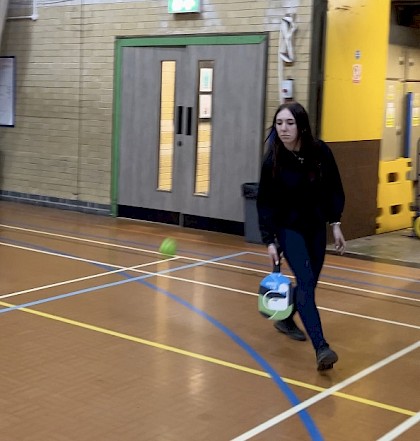
Across their PE lessons, students take part in a wide range of sports and activities, including:
- Football
- Basketball
- Cricket
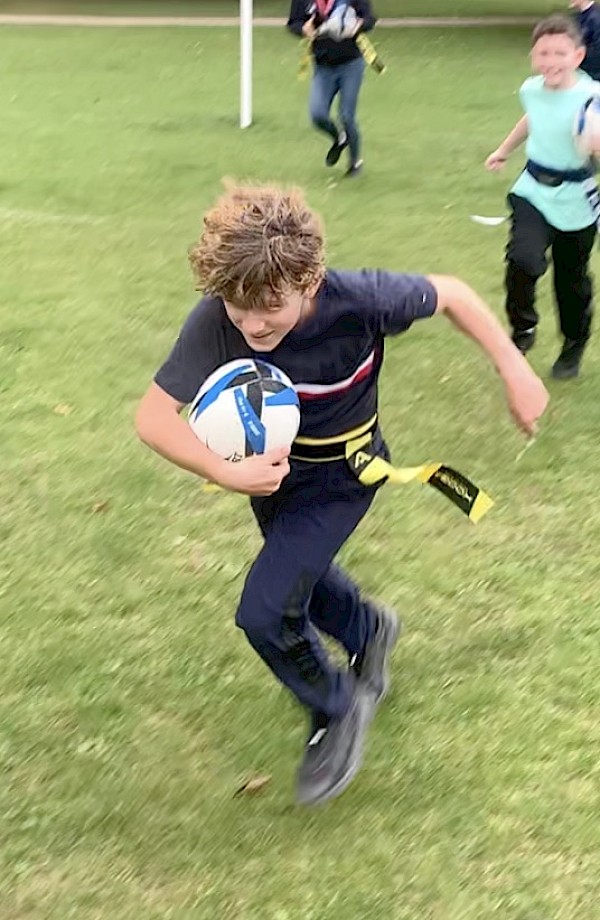
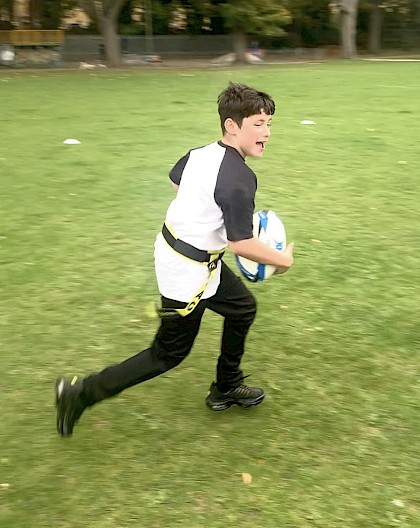
- Tag Rugby
- Gymnastics
- Lacrosse
- Handball
- Swimming
- Rounders
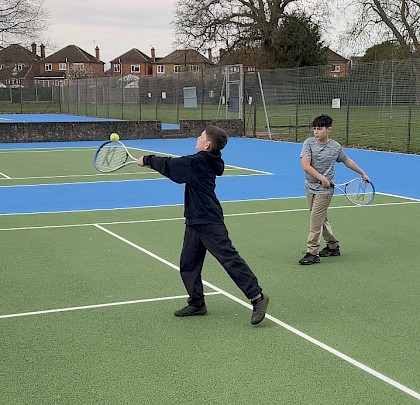
- Tennis
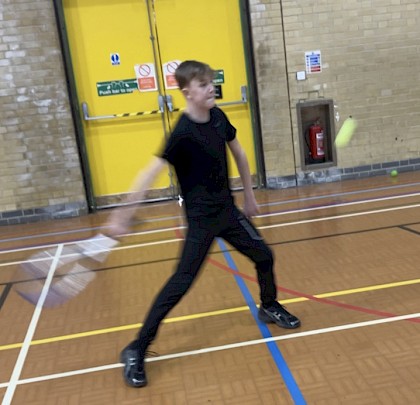
- Badminton
- Pickleball
Assessment — AQA Unit Awards
Students are assessed through AQA Unit Awards, a unitised programme of non-examined assessments that lets students achieve at Pre-Entry Level, Entry Level, and Level 1, 2 or 3 — without the need for formal exams.
Qualification pathway
At Key Stage 4, students also have the opportunity to work towards an NCFE Level 1 Certificate in Sport — a chance to expand their knowledge of the sporting landscape, both through their own personal performance and the wider sporting industry and the opportunities it can offer. This is achieved through coursework across a range of units, alongside practical assessment.
By the end of Key Stage 4, students will be able to:
- Approach sport with confidence — become a resilient, resourceful learner with a "can-do" attitude.
- Build and apply core skills — develop a wide range of basic and core skills, and apply them appropriately and confidently.
- Understand the game — build sporting terminology and an understanding of relevant rules and regulations across a range of sports.
- Reflect and improve — analyse their own performance and give constructive feedback to others.
- Work with others — develop transferable skills such as teamwork, communication and resilience.
- Think and decide — make decisions and solve problems with confidence.
- Understand their body — recognise the importance of preparing the body for exercise, and how it works.
- Communicate well — listen and speak effectively and appropriately.
- Think critically — generate and share ideas using critical thinking skills.