Science
Our science curriculum is designed to give every student the best possible chance of leaving with a qualification by the end of Year 11, while building a broad, practical appreciation of the science and technology they'll rely on in adult life. We currently work towards AQA Certificates or GCSE in Science.
What we cover
We teach six core topics, each building on the last:
- The Human Body
- The Environment
- Chemistry in Our World
- Elements, Mixtures and Compounds
- Energy and Forces
- Electricity and Magnetism
A spiral curriculum
Rather than covering a topic once and moving on, our spiral curriculum revisits each area year after year — so knowledge and understanding build steadily over time, rather than needing to be relearned from scratch.
Key Stage 4 — matched to the student
Our overarching aim is to prepare students for independent life in a world that relies more and more on a broad understanding of science and technology. Where appropriate, students take formal exams. Where that's not the right fit, they instead have many opportunities to practise experimental and research skills, building a sound foundation of scientific knowledge either way.
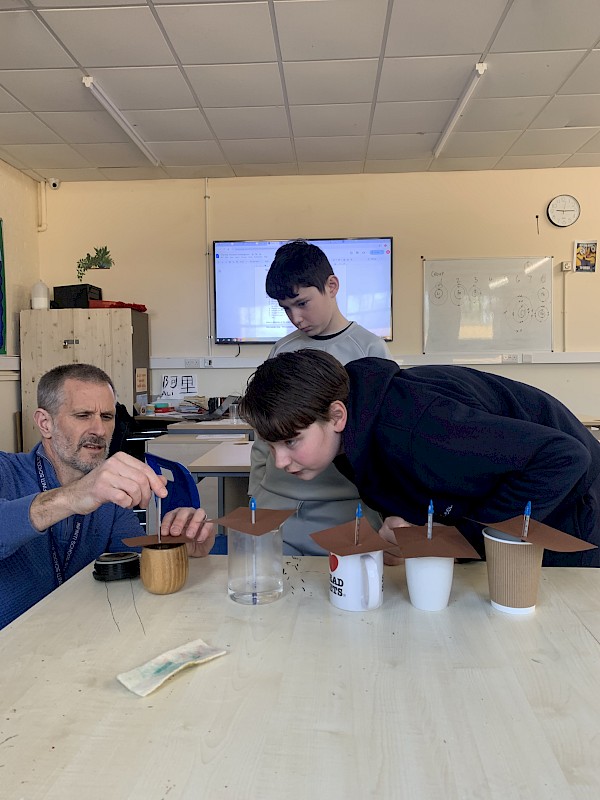
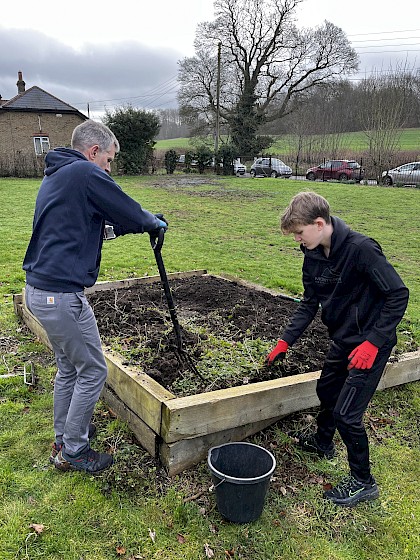
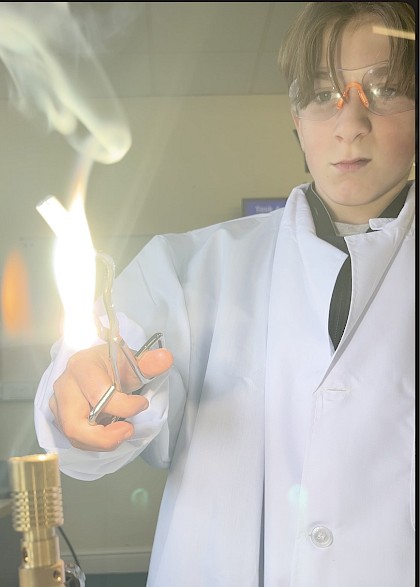
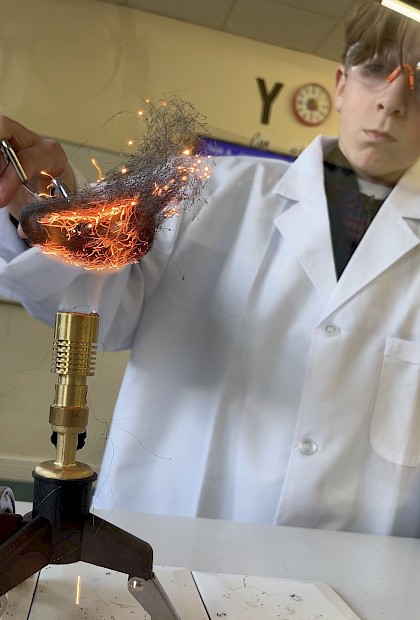
Wherever possible, we bring learning to life through doing, not just reading about it — for example, students learn the process of photosynthesis first-hand by tending crops in the school allotment, rather than only studying it on paper.
By the end of Key Stage 4, students will have developed:
- Scientific thinking — approaching problems the way a scientist would.
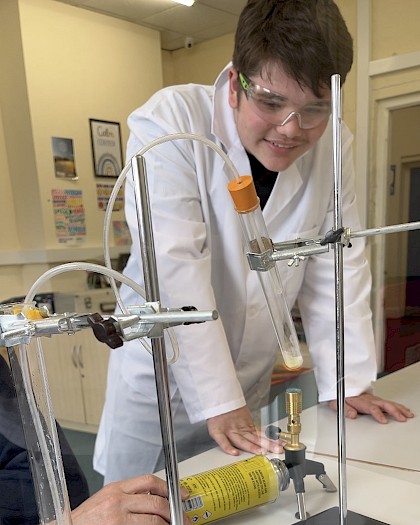
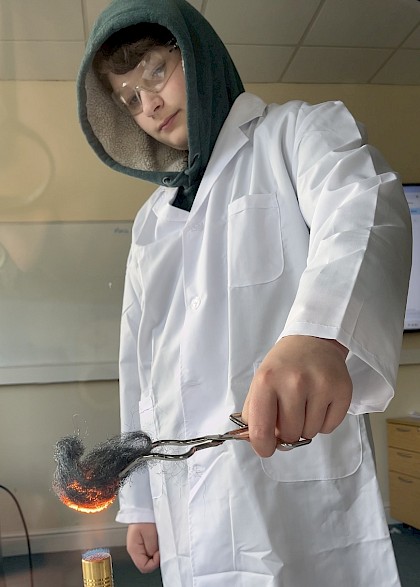
- Experimental skills and strategies — hands-on investigative and research skills, including practical, real-world learning.
- The ability to evaluate and analyse — making sense of evidence and results.
- Scientific vocabulary — the language needed to explain and discuss science confidently.
- A grounding in Physics, Chemistry and Biology — a basic working understanding across all three sciences.